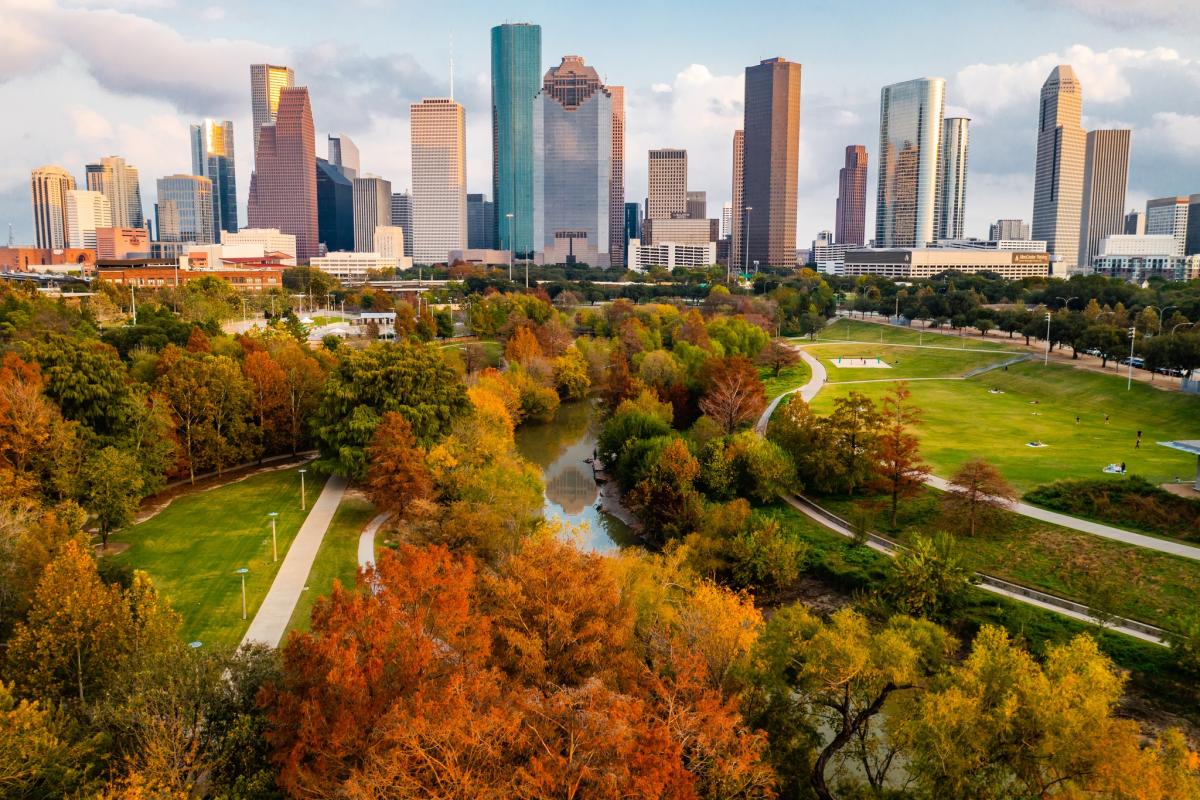
Navigating Houston: What Visitor Guides Don't Tell About Storms
Houston, Texas, is a vibrant metropolis, a sprawling hub of culture, cuisine, and commerce that draws millions of visitors annually. Official visitor guides and tourism bureaus proudly showcase its world-class museums, exhilarating space exploration history, diverse dining scene, and booming energy sector. They paint a picture of a dynamic city, rich in opportunity and excitement. However, for all their comprehensive coverage of attractions and amenities, these guides often remain conspicuously silent on a significant aspect of life in the Bayou City: houston severe storms.
While the focus on positive experiences is understandable for tourism, overlooking the reality of Houston's climate can leave visitors unprepared. This article aims to fill that informational gap, providing an honest and practical guide to understanding, preparing for, and navigating the potential impact of severe weather during your visit. Our goal isn't to deter you from experiencing Houston's charm, but to empower you with the knowledge needed for a safe and enjoyable trip, regardless of what the skies might bring.
Understanding Houston's Unique Weather Challenges
Houston's geographical location is the primary determinant of its weather patterns, particularly when it comes to severe storms. Situated on the Gulf Coastal Plain, just miles from the warm waters of the Gulf of Mexico, the city is a magnet for moisture and tropical systems. This proximity leads to a climate characterized by high humidity, especially during the long summer months, and a susceptibility to heavy rainfall and powerful wind events.
The most commonly recognized threat associated with houston severe storms is its vulnerability to hurricanes and tropical storms. The Atlantic hurricane season, officially running from June 1st to November 30th, is a critical period. While direct hurricane landfalls are not an annual occurrence, the outer bands and remnants of these systems can still unleash torrential rains, leading to widespread flooding. Houston's flat topography and intricate network of bayous, though crucial for drainage, can quickly become overwhelmed during intense downpours, transforming streets into impassable waterways in a matter of hours.
Beyond tropical systems, Houston also experiences significant convective thunderstorms throughout the year, especially in spring and summer. These storms can bring:
- Heavy Rainfall: Flash floods are a persistent concern, often developing rapidly with little warning.
- Damaging Winds: Straight-line winds can be strong enough to cause structural damage and power outages.
- Lightning: Houston experiences a high frequency of lightning strikes, posing a risk to outdoor activities.
- Hail: While less common than in other parts of Texas, large hail can occasionally accompany severe thunderstorms.
Understanding these meteorological realities is the first step toward effective preparation. For a deeper dive into the meteorological nuances that shape the city's climate, beyond the usual tourist pamphlets, consider Understanding Houston Weather: Beyond Tourist Brochures.
Preparing for Houston Severe Storms: Essential Tips for Visitors
Preparation isn't about panic; it's about peace of mind. By taking a few proactive steps, visitors can significantly mitigate potential disruptions from houston severe storms.
Before You Arrive:
- Monitor Forecasts: Ahead of your trip, keep an eye on long-range weather forecasts, especially if traveling during hurricane season. Use reputable sources like the National Weather Service (NWS) or trusted local news channels.
- Consider Travel Insurance: Evaluate travel insurance policies that cover weather-related cancellations or delays. This can be a lifesaver if a major storm forces changes to your itinerary.
- Know Your Accommodation: If staying in a hotel, inquire about their severe weather protocols. Do they have generators? What's their plan in case of power outages or flooding? If renting an Airbnb, understand its elevation and proximity to known flood zones.
- Pack Smart: Include practical items like a small umbrella, a lightweight waterproof jacket, and comfortable, water-resistant shoes.
During Your Stay:
- Stay Informed: Download a reliable weather app with push notifications (e.g., local news apps, NWS app) and pay attention to local news channels. Follow official city alerts via social media if possible.
- "Turn Around, Don't Drown": This mantra is crucial in Houston. Never attempt to drive or walk through flooded streets. Even shallow water can hide hazards or be deeper than it appears. Most flood-related fatalities occur in vehicles.
- Emergency Contacts: Keep a list of emergency contacts, including your hotel, travel companions, and local emergency services (911).
- Have a Plan: Discuss with your travel party what you'll do if severe weather strikes. Where will you shelter? How will you communicate if cell service is spotty?
- Charge Devices: Keep your phone and other essential devices fully charged, especially if there's a risk of power outages. A portable power bank can be invaluable.
- Know Your Evacuation Zone (if applicable): While unlikely for short-term visitors, be aware that coastal areas around Houston have designated evacuation zones. If a hurricane threatens, follow official instructions promptly.
Being prepared means you can still enjoy Houston's many attractions, confident that you've accounted for potential weather challenges.
Beyond the Forecast: The Local Perspective on Houston Severe Storms
What visitor guides often miss is the everyday resilience and adaptation of Houstonians. Life in a city prone to houston severe storms fosters a unique community spirit and a pragmatic approach to weather. Locals have learned to live with the unpredictability, developing systems and routines to minimize disruption. Businesses implement robust flood prevention measures, and neighborhoods often rally together in times of need.
This local wisdom is a valuable resource. Don't hesitate to ask hotel staff, restaurant employees, or tour guides for their insights if severe weather is forecast. They can offer advice on local conditions, safe routes, and alternative indoor activities. You'll find that while storms are taken seriously, they don't diminish the city's welcoming attitude or its vibrant energy. It's this local wisdom that often fills the gaps left by official tourism materials, prompting us to ask: Houston Severe Storms: Why Official Guides Lack Info?
Impacts can range from minor inconveniences, like a postponed outdoor event, to significant disruptions such as flooded roads or power outages. However, the city and its residents are remarkably adept at recovery, often bouncing back swiftly once the skies clear.
Key Takeaways for a Safe and Enjoyable Visit
Your visit to Houston can be extraordinary, filled with unforgettable experiences from the Johnson Space Center to the Museum District, and from the culinary delights of Montrose to the historic streets of the Heights. The possibility of houston severe storms, while a reality, should not deter you but rather inform your preparation.
The core message is simple: Be aware, be informed, and be prepared.
- Always check the local weather forecast before and during your visit.
- Understand the potential for heavy rainfall and flooding, especially during hurricane season.
- Never drive or walk through flooded areas.
- Stay updated through reliable news and weather sources.
- Have a communication plan and keep your devices charged.
By integrating this awareness into your travel plans, you're not just a tourist; you're an informed traveler ready to experience all that Houston has to offer, come rain or shine. Embrace the city's resilience and enjoy your journey through the diverse and dynamic heart of Texas.