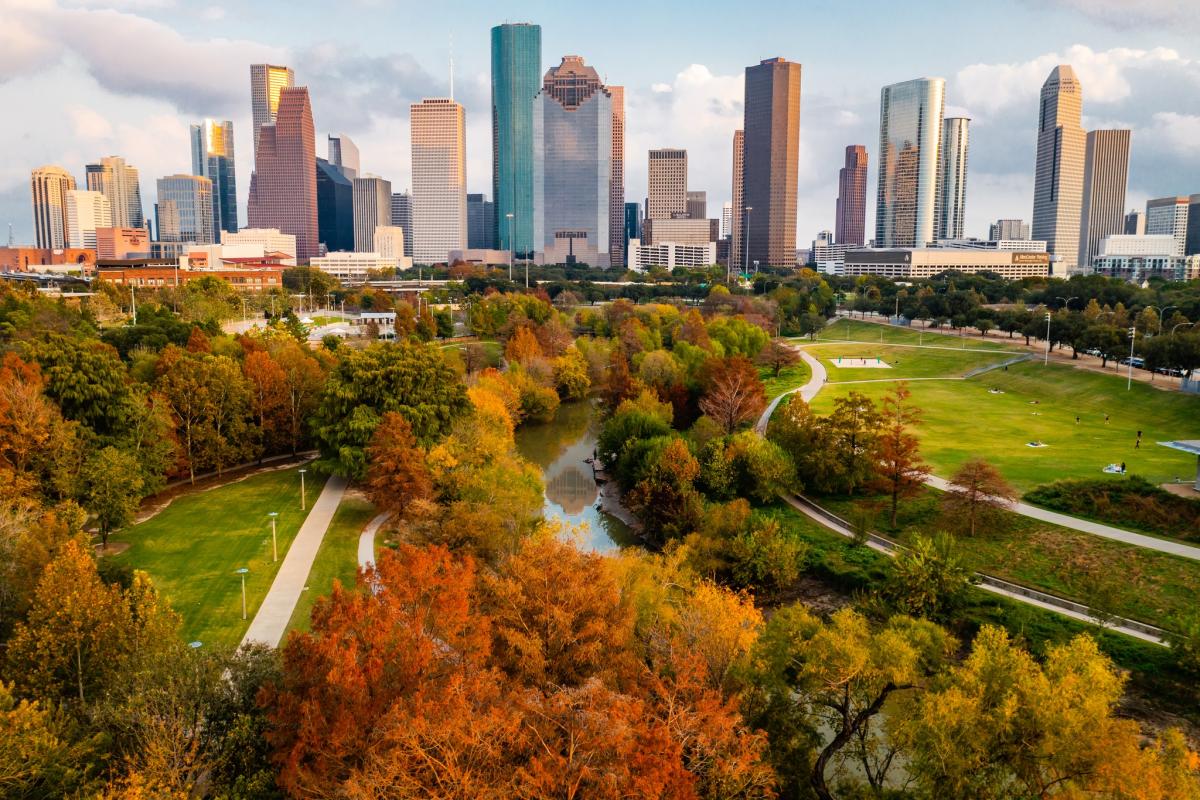
Houston, a vibrant metropolis renowned for its robust economy, diverse culture, and world-class attractions, consistently draws millions of visitors and new residents each year. Official tourist guides, such as those from Visit Houston Texas or About Houston, paint a picture of an energetic city filled with museums, culinary delights, and captivating history. They excel at showcasing the best the city has to offer – from the Space Center to the Museum District – yet, a critical piece of information often goes unmentioned: the city's significant susceptibility to houston severe storms.
The absence of content related to "houston severe storms" in standard visitor guides is a striking omission. While these resources provide invaluable insights into community, culture, neighborhoods, and the city's rich timeline, they conspicuously avoid discussing the weather challenges that profoundly impact daily life and safety in the region. This article aims to bridge that crucial information gap, offering a comprehensive look at why this information is often missing and what residents and visitors truly need to know to navigate Houston safely and effectively.
The Unspoken Reality: Why Official Guides Sidestep Houston's Weather Challenges
It's not surprising that official tourism and historical bureaus prioritize promoting the positive aspects of a city. Their core mission is to attract visitors, stimulate the local economy, and foster a sense of pride. Highlighting potential dangers, like the prevalence of houston severe storms, could be perceived as counterproductive to this goal, potentially deterring tourists or new businesses. This focus on marketing and appeal often leads to a curated narrative that, while accurate in its positive descriptions, is incomplete regarding essential practical information for safety and preparedness.
Furthermore, the dynamic and unpredictable nature of severe weather makes it challenging to include in static guides. A detailed hurricane preparedness plan or flood warning system information could quickly become outdated. Instead, the implicit expectation is often that individuals will seek real-time weather information from other, more specialized sources. However, for those unfamiliar with Houston's specific weather patterns, this expectation can leave a dangerous knowledge void, especially when considering the devastating impacts some houston severe storms have had on the region.
Decoding Houston's Storm Landscape: Types and Their Impact
Houston's unique geographical location on the Gulf Coast and its flat, sprawling urban landscape make it particularly vulnerable to various forms of severe weather. Understanding these different types of storms and their potential impacts is the first step towards informed preparedness.
Tropical Cyclones: Hurricanes and Tropical Storms
The Gulf Coast is synonymous with hurricane season, which officially runs from June 1st to November 30th each year. Houston has a long history of grappling with major tropical systems, from Hurricane Ike in 2008 to the catastrophic flooding caused by Hurricane Harvey in 2017. These events underscore the immense power of such storms, which can bring:
- Extreme Winds: Capable of causing widespread structural damage, downing trees, and leading to extensive power outages.
- Storm Surge: A dangerous wall of water pushed inland by the storm, particularly threatening to coastal areas and waterways connected to the Gulf.
- Torrential Rainfall: Even weaker tropical depressions or systems far from Houston can dump extraordinary amounts of rain, leading to severe inland flooding due to the city's low elevation and extensive bayou system.
The impact of such events extends far beyond the immediate danger, often resulting in prolonged recovery periods, infrastructure damage, and significant economic disruption.
Severe Thunderstorms: The Everyday Threat
While hurricanes grab headlines, more localized severe thunderstorms are a frequent occurrence in Houston, posing their own significant threats. These storms can develop rapidly, often catching residents and visitors off guard. Key dangers include:
- Flash Flooding: Houston's flat terrain and clay soils mean water doesn't drain quickly. Heavy downpours can overwhelm the city's bayous and drainage systems, turning streets into rivers in minutes. This is arguably the most common and dangerous threat from houston severe storms on a regular basis. Drivers frequently underestimate the depth of floodwaters, leading to stranded vehicles and dangerous rescue situations.
- Lightning: A frequent companion to thunderstorms, posing a threat to outdoor activities and structures.
- Hail: Can range from pea-sized to golf-ball-sized or larger, causing damage to vehicles and property.
- Tornadoes: While not as frequent or powerful as in "Tornado Alley," small, localized tornadoes can spin up quickly within severe thunderstorms, causing localized devastation.
Essential Preparedness for Residents and Visitors Alike
Given the lack of detailed weather preparedness in official guides, it falls to individuals to be proactive. Here are essential tips for staying safe before, during, and after houston severe storms:
Before the Storm: Awareness is Key
- Stay Informed: This is paramount. Monitor local news channels (TV, radio), use reputable weather apps (like the National Weather Service, AccuWeather, The Weather Channel), and invest in a NOAA Weather Radio for alerts, especially during hurricane season.
- Emergency Kit: Assemble a kit with essentials:
- At least 3 days' supply of water (1 gallon per person per day) and non-perishable food.
- First-aid kit, medications, and any necessary personal items.
- Battery-powered radio, flashlights, and extra batteries.
- Power banks for charging cell phones.
- Important documents (copies in a waterproof bag).
- Cash, as ATMs may not work during power outages.
- Know Your Zone: For tropical systems, understand if you are in an evacuation zone. Even if not, have an inland friend or family member's address as a potential refuge.
- Vehicle Preparedness: Keep your car's fuel tank at least half full. In the event of an evacuation, gas stations may be closed or overwhelmed.
During the Storm: Safety First
- Turn Around, Don't Drown: This cannot be stressed enough. Never drive through flooded roads. The water might be deeper than it appears, and hidden hazards can sweep your vehicle away. Even a few inches of moving water can be dangerous.
- Stay Indoors: Seek shelter in a sturdy building, away from windows. If a tornado warning is issued, move to an interior room on the lowest floor.
- Power Outages: Be prepared for potential power loss. Unplug sensitive electronics. Use flashlights instead of candles to minimize fire risk.
- Avoid Contact with Floodwater: Floodwaters can contain sewage, chemicals, and electrical hazards.
After the Storm: Recovery and Resources
- Continue Monitoring: Even after the storm passes, dangers like downed power lines, damaged structures, and lingering floodwaters persist.
- Assess Damage Safely: Do not enter damaged buildings until deemed safe. Be wary of loose debris and sharp objects.
- Check on Neighbors: If safe to do so, check on vulnerable neighbors.
- Official Information: Rely on official city and county emergency management channels for post-storm updates and resource distribution.
Bridging the Information Gap: Your Personal Safety Imperative
The reality is that while Houston is a fantastic place to live and visit, it requires a level of weather awareness not always conveyed through traditional tourist channels. The silence in official guides regarding houston severe storms doesn't diminish their threat; it simply shifts the responsibility for information-gathering to the individual. By actively seeking out reliable weather forecasts and preparedness information, both residents and visitors can enjoy all that Houston has to offer while staying safe and prepared for any eventuality.
For a deeper dive into understanding Houston's climate nuances, consider reading Understanding Houston Weather: Beyond Tourist Brochures. To get more specific insights on navigating storm-related challenges as a visitor, Navigating Houston: What Visitor Guides Don't Tell About Storms offers additional practical advice.
In conclusion, while official guides understandably focus on the allure of Houston, an informed approach to personal safety demands a broader understanding of the city's environment. Recognizing the potential for houston severe storms and knowing how to prepare is not about fear, but about empowerment and ensuring a safe and enjoyable experience in this dynamic Gulf Coast city.